
Aquarium & pond fish
Fish nutrition.
Species in focus.
Explore food, ingredients and research with the fish species and study setting kept in view.
Which fish? Which conditions?
A finding in one species is not automatically evidence for another. Start with the animals studied and the question the research actually tested.
Species studied
Look for the exact species, life stage and number of fish. A group name such as “bettas” is a browsing aid, not a substitute for the study’s species identification.
Environment and setting
Check freshwater, marine or brackish conditions and whether the work concerns aquarium fish, pond fish or aquaculture. The setting helps you judge how closely a study fits your question.
What the result supports
Separate a measured result from a wider health claim. Broader relevance should have an explanation, rather than being assumed because both animals are fish.
A growing section, with clear boundaries.
Explore three feeding studies, four ingredient profiles and three fish foods across goldfish, koi and bettas. Product listings describe manufacturer declarations; study summaries explain what the experiments actually show.
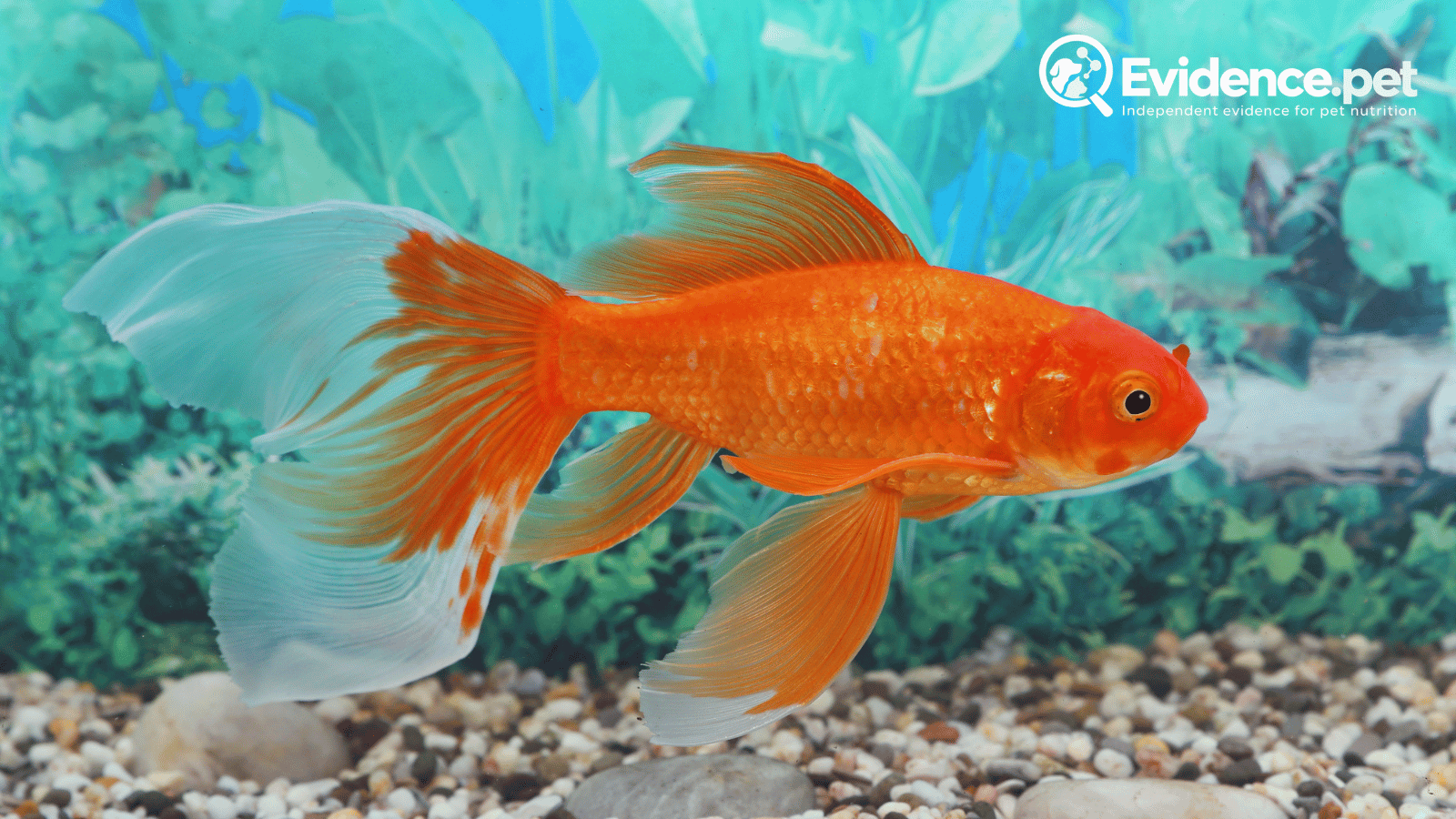
Goldfish
Explore a 90-day enriched-Artemia trial and linked profiles for spirulina and brine shrimp. The study identifies Carassius auratus.
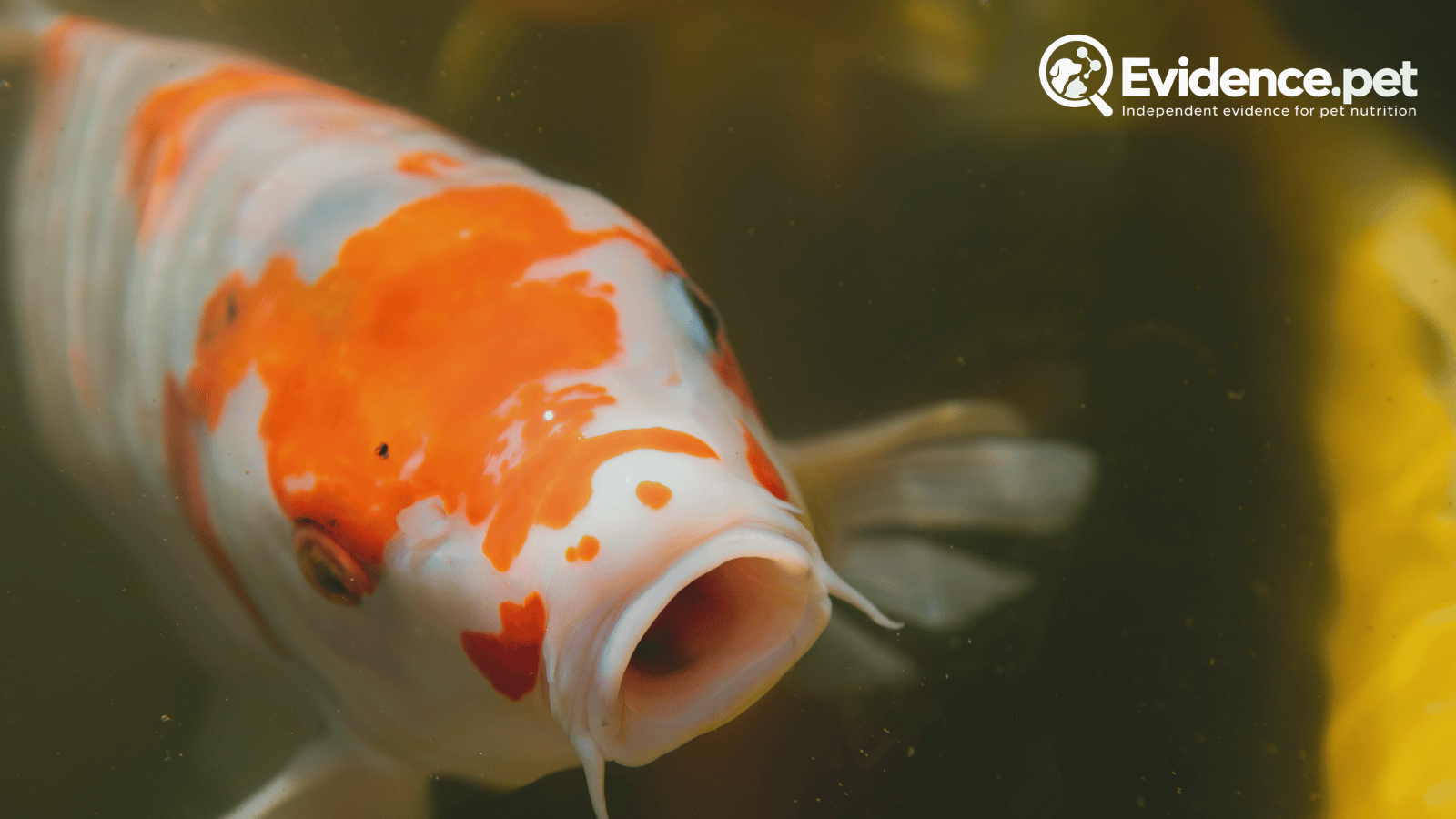
Koi
Explore an eight-week pigment trial, spirulina and astaxanthin profiles, and manufacturer-listed koi foods. Controlled tank findings are kept distinct from pond use.
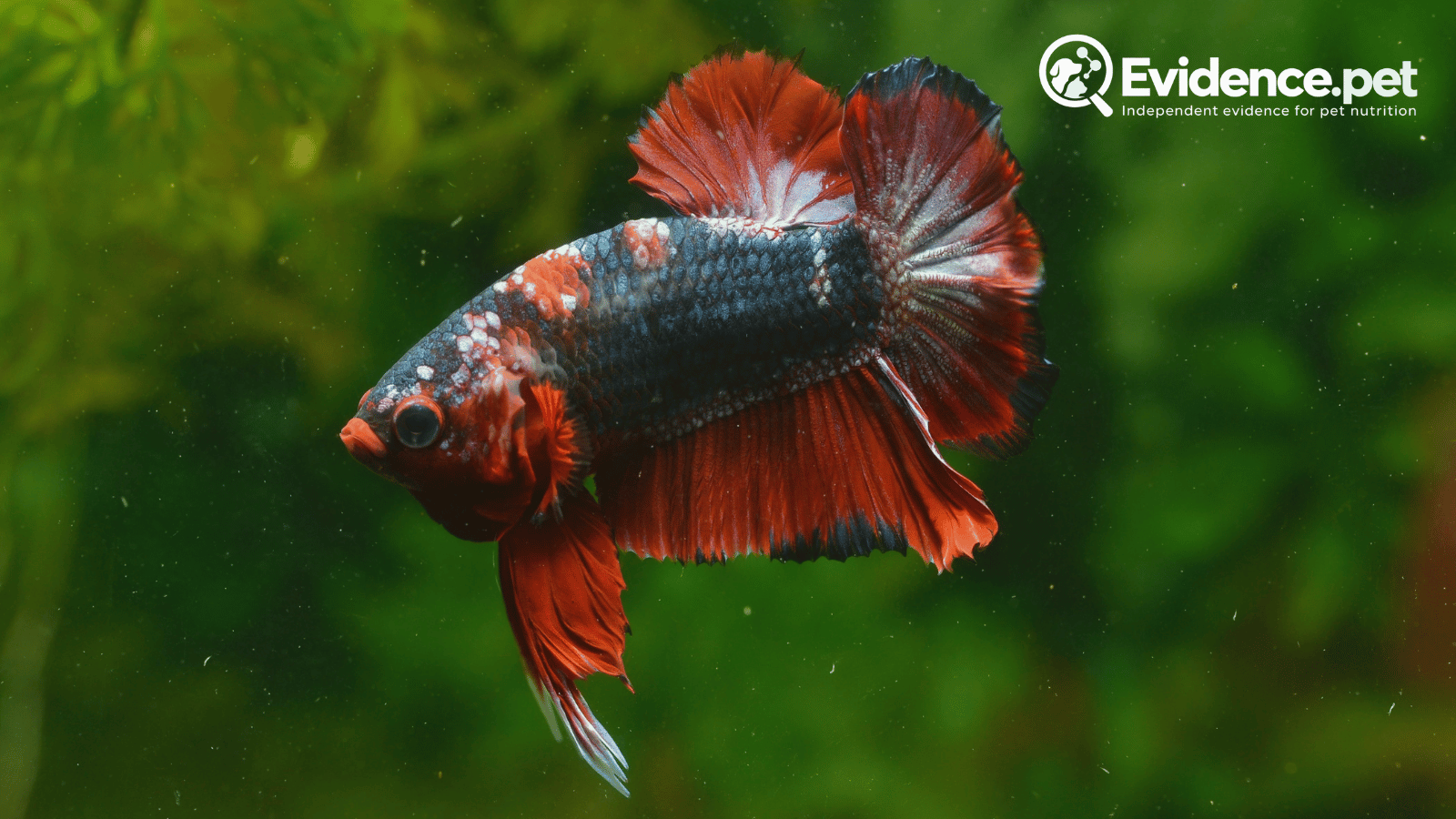
Bettas
Read a 60-day trial of black soldier fly larvae meal in juvenile Betta splendens, with a linked ingredient profile.
Follow the evidence for your fish.
Browse the first fish studies with their methods, findings and limitations, then follow links to the ingredients they tested.